Vacuum Forming: A Comprehensive Guide to Thermoforming Plastic Sheets
Vacuum forming is one of the most versatile and cost-effective thermoforming processes used to shape plastic sheets into custom 3D parts, components, and products. From advertising signage and cosplay props to industrial packaging and medical devices, this technology has become a cornerstone of manufacturing across industries—thanks to its flexibility, efficiency, and ability to produce both small-batch custom items and large-scale production runs. In this guide, we’ll break down the vacuum forming process, materials, equipment, applications, and key considerations to help you understand how it works and whether it’s the right solution for your project.
What is Vacuum Forming?
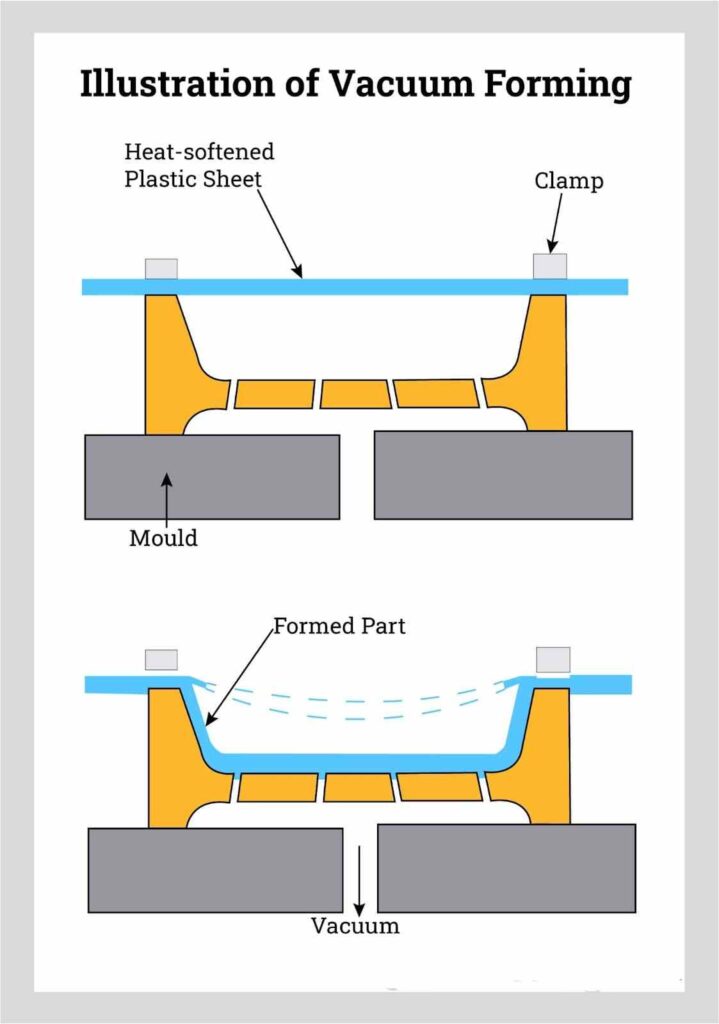
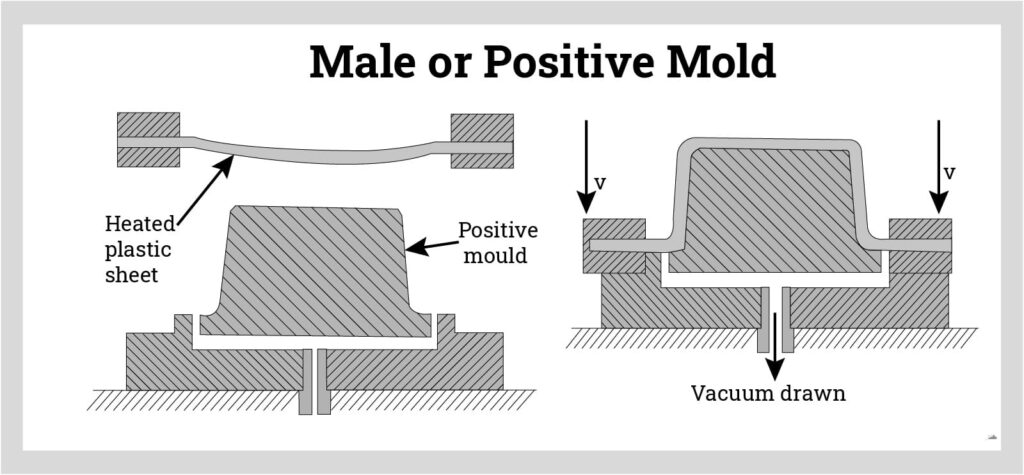
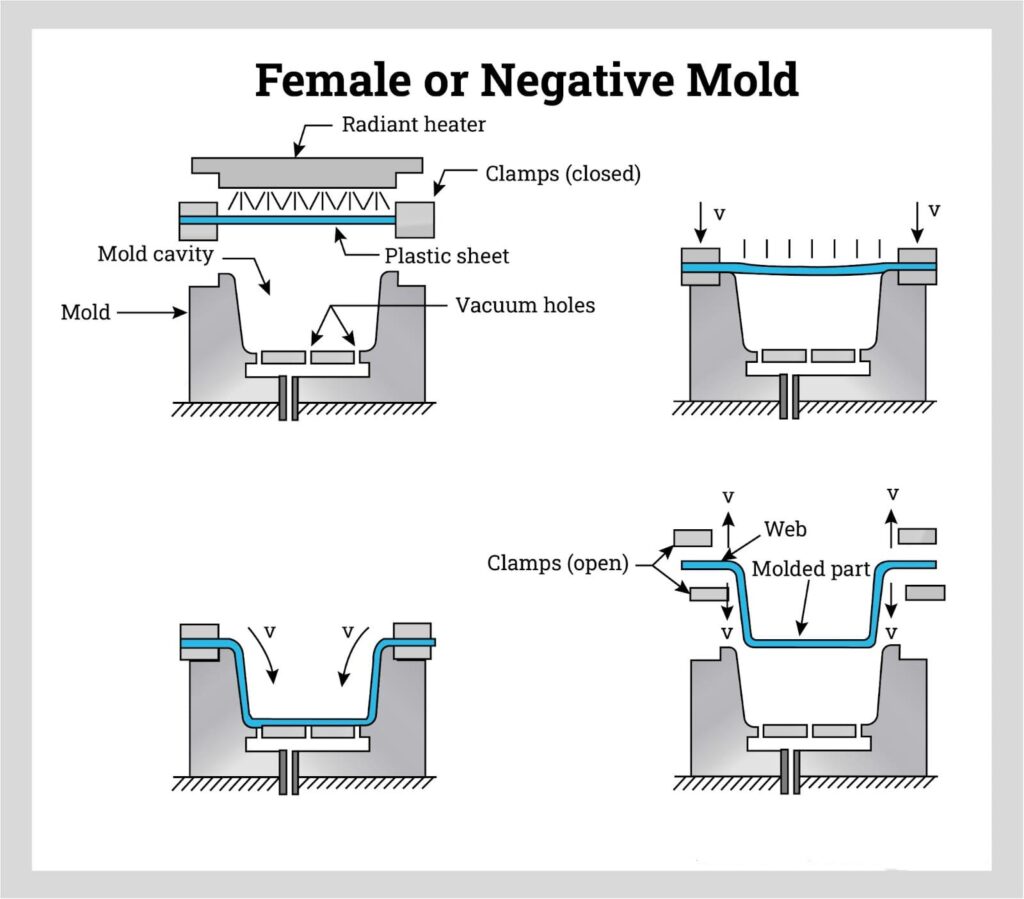
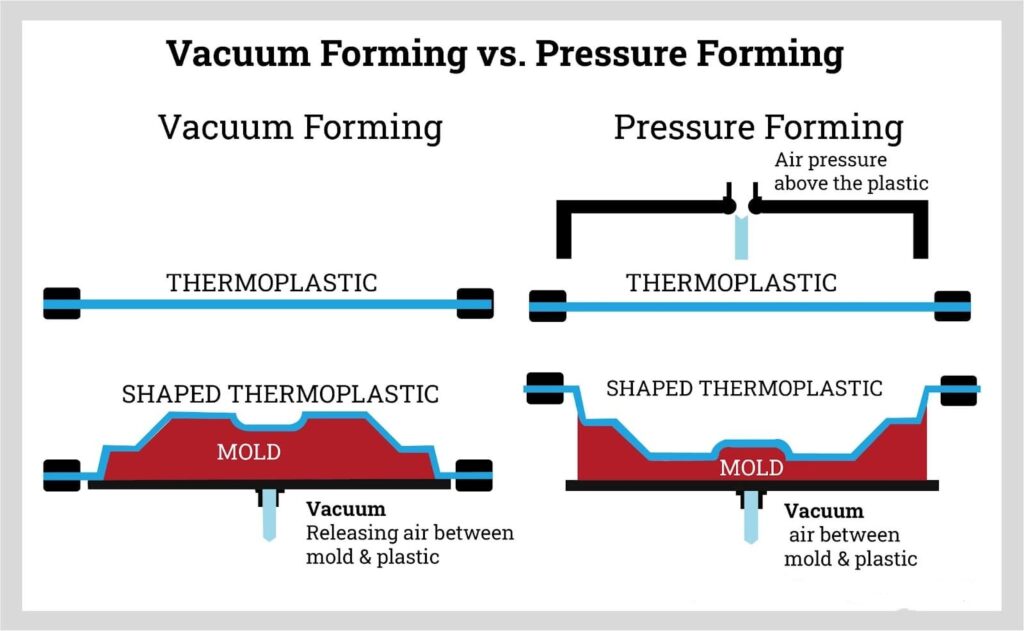
At its core, vacuum forming is a thermoplastic shaping process that uses heat and vacuum pressure to mold flat plastic sheets over a custom mold. The process is simple yet effective: a plastic sheet is heated until it reaches a pliable, thermoformable state, then draped over a mold. A vacuum pump removes air from beneath the sheet, forcing it to conform tightly to the mold’s contours. Once cooled and solidified, the formed part is trimmed to its final shape—resulting in a precise, repeatable 3D product.
Unlike more complex thermoforming methods (such as injection molding), vacuum forming requires minimal tooling investment, making it ideal for prototyping, custom projects, and low-to-medium volume production. It also excels at creating large-format parts, deep-cavity designs, and products with intricate surface details—all at a lower cost than alternative processes.
How Does the Vacuum Forming Process Work?
The vacuum forming process typically follows six key steps, each critical to achieving high-quality results:
1. Mold Preparation
The first step is creating a mold (also called a “tool”) that matches the desired shape of the final product. Molds can be made from a variety of materials, depending on production needs:
- Prototyping/Small Batches: Molds made from wood, foam, or 3D-printed plastic (cost-effective, quick to produce).
- Medium-to-High Volume: Molds made from aluminum or steel (durable, heat-resistant, and suitable for repeated use).
Molds may also include vents to ensure air is fully removed during the vacuum stage, preventing bubbles or incomplete forming.
2. Material Selection & Cutting
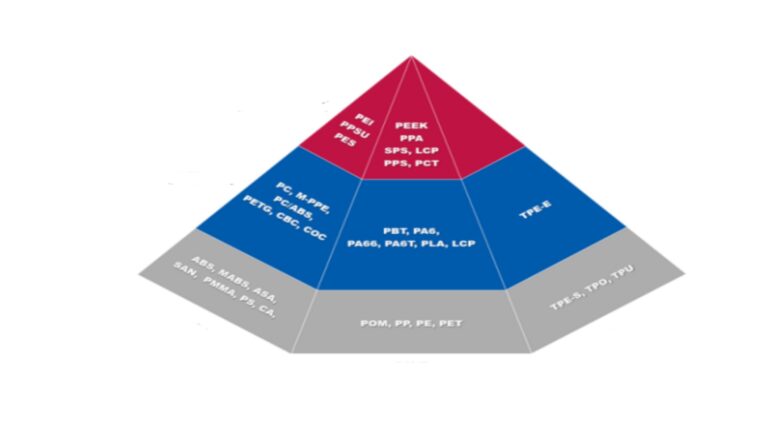
Next, a thermoplastic sheet is selected based on the product’s requirements (e.g., durability, transparency, heat resistance). The sheet is cut to size—slightly larger than the mold to account for stretching during forming. Common vacuum forming materials include:
- PVC: Affordable, versatile, and ideal for signage, packaging, and consumer goods.
- Acrylic (PMMA): Transparent, scratch-resistant, and used for displays, lighting fixtures, and decorative panels.
- ABS: Durable, impact-resistant, and suitable for industrial parts, cosplay props, and automotive components.
- PETG: Food-safe, recyclable, and used for packaging, medical devices, and retail displays.
- PP/PS: Lightweight, cost-effective, and common in disposable packaging and consumer products.
3. Heating the Plastic Sheet
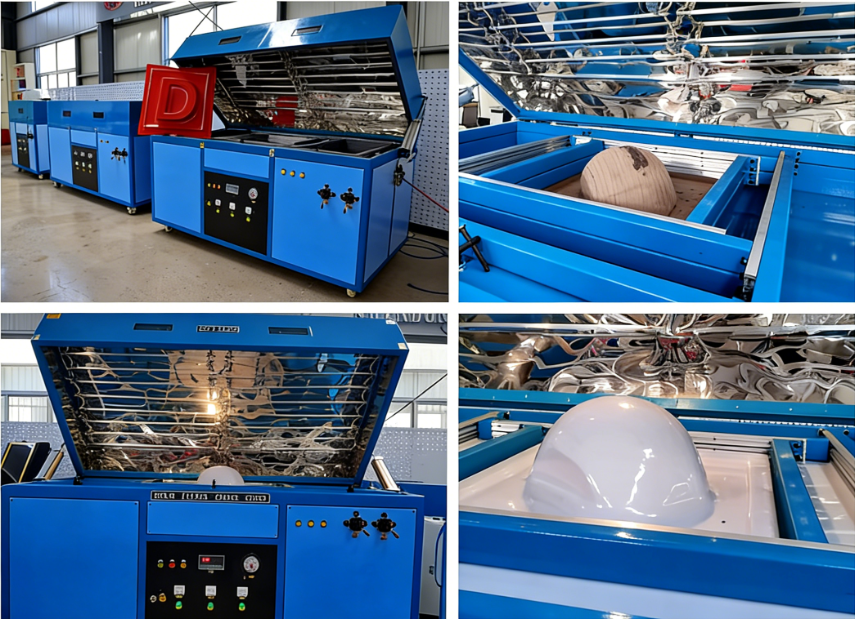
The cut plastic sheet is clamped into a frame and positioned above a heating element (typically infrared heaters or quartz heaters) in a vacuum forming machine. The sheet is heated until it reaches its glass transition temperature (Tg)—the point where it becomes flexible but not molten (usually between 150–300°F, depending on the material).
Key heating considerations:
- Uniformity: Even heating ensures the sheet softens consistently, preventing uneven stretching or thinning.
- Temperature Control: Overheating can cause the sheet to degrade or bubble; underheating results in incomplete forming.
- Heating Time: Varies by material thickness (thin sheets: 30–60 seconds; thick sheets: 2–5 minutes).
4. Forming the Plastic
Once the sheet is pliable, the frame lowers the sheet over the mold (or the mold rises to meet the sheet). The vacuum pump is activated, creating negative pressure beneath the sheet. This pressure forces the plastic to stretch and conform tightly to every detail of the mold—from sharp edges to intricate textures.
For deep-cavity or complex molds, additional techniques may be used:
- Plug Assist: A solid plug pushes the sheet into the mold before vacuum is applied, ensuring even stretching.
- Pressure Forming: Combining vacuum pressure with positive air pressure (from above the sheet) for tighter mold adherence.
5. Cooling & Solidification
After forming, the plastic part is cooled to solidify its shape. Cooling methods include:
- Air Cooling: Blowing ambient or chilled air over the part (fast, cost-effective for most applications).
- Water Cooling: Molds with built-in water channels for faster cooling (ideal for high-volume production).
Cooling time depends on material thickness and type—typically 1–5 minutes. Rushing cooling can cause warping or dimensional inaccuracies.
6. Trimming & Finishing
Once cooled, the formed part is removed from the mold and trimmed to its final size using tools like routers, lasers, or die cutters. Finishing steps may include:
- Sanding or polishing to smooth edges.
- Drilling holes for assembly.
- Painting, printing, or laminating for aesthetic or functional purposes.
Types of Vacuum Forming Machines
Vacuum forming machines vary in size, capacity, and automation level to suit different applications. The most common types include:
1. Manual Vacuum Forming Machines
- Best For: Prototyping, small workshops, and low-volume production (e.g., DIY cosplay props, custom home decor).
- Features: Manual clamping, heating, and mold positioning—affordable and easy to operate.
- Limitations: Limited to small-to-medium sized parts; slower production speed.
2. Semi-Automatic Vacuum Forming Machines
- Best For: Medium-volume production, small businesses, and industrial workshops.
- Features: Automated heating and vacuum cycles; manual mold loading/unloading.
- Advantages: Faster than manual machines; consistent results; suitable for large-format parts (e.g., advertising billboards, automotive interior panels).
3. Fully Automatic Vacuum Forming Machines
- Best For: High-volume production, industrial manufacturing, and precision parts (e.g., medical devices, packaging).
- Features: Automated sheet feeding, heating, forming, cooling, trimming, and stacking.
- Advantages: High throughput (hundreds to thousands of parts per hour); minimal operator intervention; tight dimensional control.
4. Large-Format Vacuum Forming Machines
- Best For: Big thermoforming pieces (e.g., large signs, architectural panels, industrial molds).
- Features: Extended worktables (up to 12’x24’ or larger); high-power heating systems; deep forming capabilities.
- Example: The BSX-1224 Vacuum Forming Machine—designed for large-scale 3D thermoforming of Acrylic, ABS, and PVC, with adjustable material sizes and fast uniform heating.
Key Advantages of Vacuum Forming
Vacuum forming offers numerous benefits over other plastic shaping processes, making it a popular choice across industries:
1. Cost-Effective Tooling & Production
- Mold costs are 50–90% lower than injection molding (especially for large or custom parts).
- Low setup costs make it feasible for prototyping and small-batch runs.
- Material waste is minimal (scrap can often be recycled).
2. Versatility in Design & Materials
- Accommodates complex shapes, deep cavities, and intricate details.
- Works with a wide range of thermoplastics (PVC, Acrylic, ABS, PETG, etc.).
- Suitable for small parts (e.g., electronic enclosures) and large-format products (e.g., 10’+ billboards).
3. Efficiency & Speed
- Quick mold setup (prototyping molds can be ready in days, not weeks).
- Fast production cycles (especially with automatic machines).
- Ideal for time-sensitive projects or short lead times.
4. Durability & Quality
- Produces parts with consistent thickness, strength, and surface finish.
- Thermoplastics offer excellent durability, impact resistance, and chemical resistance (depending on material).
- Suitable for food-safe, medical-grade, and industrial-grade applications.

Common Applications of Vacuum Forming
Vacuum forming is used in nearly every industry to produce a wide range of products. Some of the most popular applications include:
1. Advertising & Signage
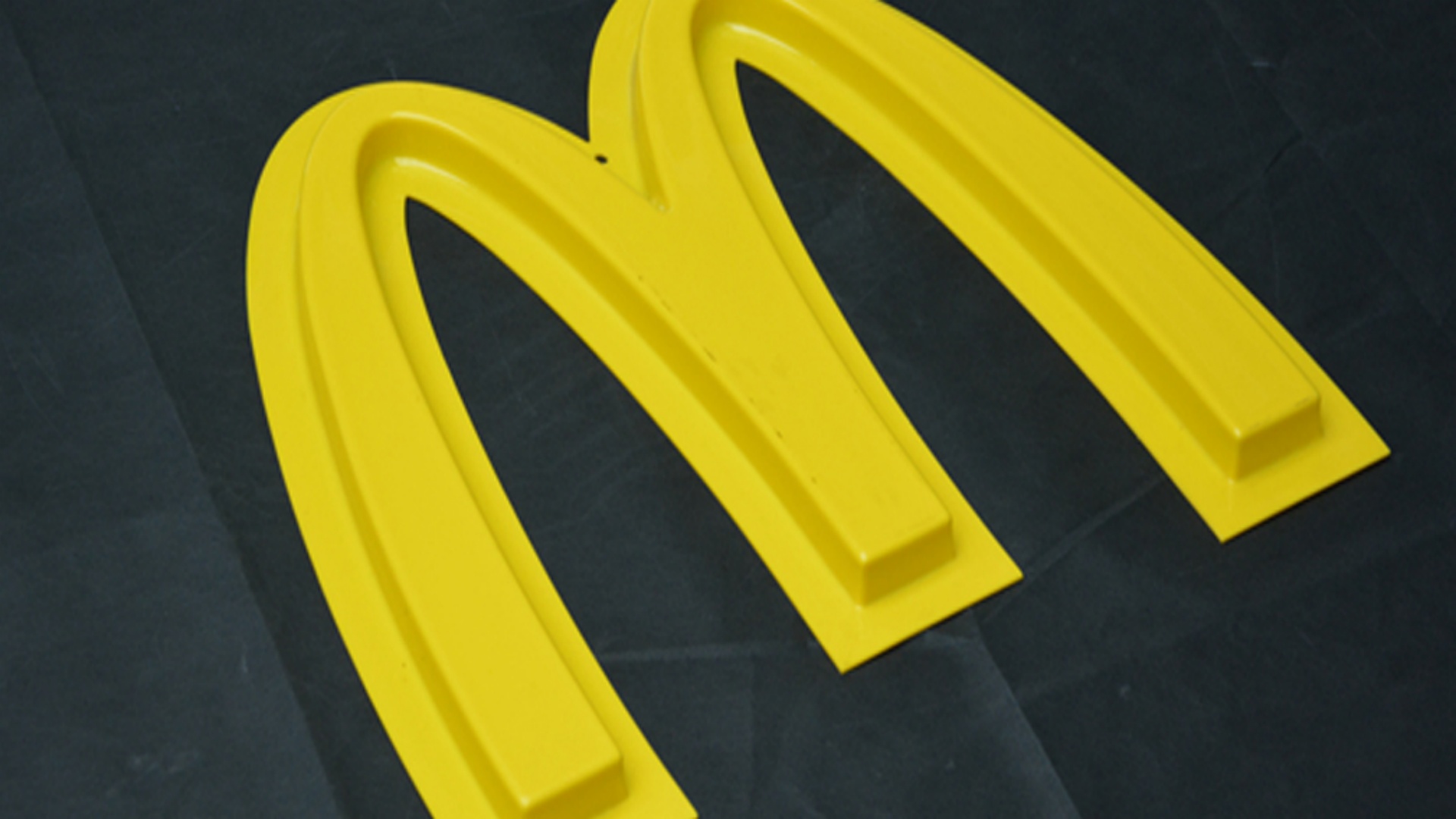
- Acrylic lettering and logos.
- Large-format billboards and illuminated signs.
- Retail displays and point-of-purchase (POP) stands.
2. Packaging
- Blister packs for electronics, toys, and medical devices.
- Food trays (e.g., deli containers, fast-food packaging).
- Protective packaging for industrial parts.
3. Automotive & Transportation
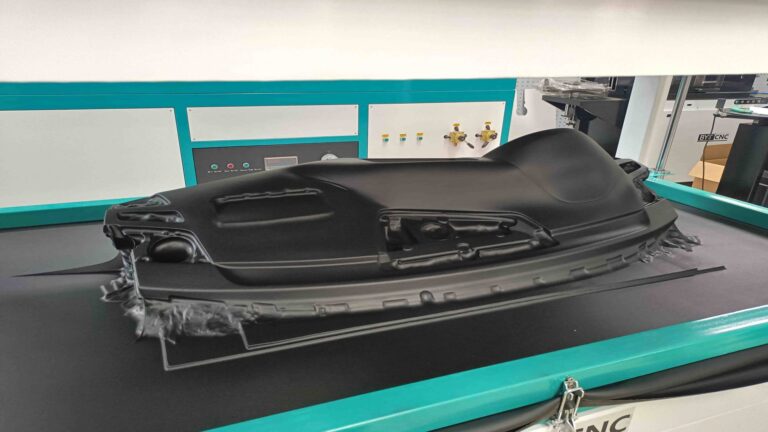
- Interior panels (door panels, dashboard trim).
- Exterior components (bumpers, fender flares).
- Cargo liners and storage solutions.
4. Cosplay & Entertainment
- Custom props (armor, weapons, masks).
- Costume accessories and set pieces for film/TV.
5. Home Decor & Furniture
- Decorative panels and wall art.
- Custom storage solutions (shelves, bins).
- Furniture components (chair backs, table tops).
6. Medical & Healthcare
- Disposable medical devices (trays, housings).
- Medical equipment enclosures (MRI/CT scan components).
- Food-safe and sterile packaging.
7. Industrial & Manufacturing
- Industrial molds and templates.
- Machine guards and covers.
- Architectural panels and building materials.
How to Choose the Right Vacuum Forming Machine
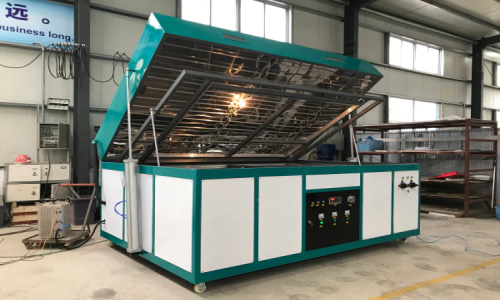
Selecting the right vacuum forming machine depends on your specific needs. Here are key factors to consider:
1. Production Volume
- Small batches/prototyping: Manual or semi-automatic machine.
- Medium-to-high volume: Semi-automatic or fully automatic machine.
2. Part Size & Dimensions
- Small parts (≤24”x24”): Compact manual machine.
- Large parts (≥48”x48”): Large-format semi-automatic or automatic machine (e.g., BSX-1224).
3. Material Type & Thickness
- Thin sheets (≤0.125”): Standard heating system.
- Thick sheets (≥0.25”): High-power heating system with extended heating time.
- Specialized materials (e.g., medical-grade PETG): Machine with precise temperature control.
4. Precision Requirements
- High precision (e.g., medical devices): Automatic machine with digital controls.
- General use (e.g., signage): Semi-automatic machine with basic controls.
5. Budget & ROI
- Startups/small businesses: Affordable manual or semi-automatic machine.
- Industrial manufacturers: Invest in fully automatic machines for long-term efficiency.
Vacuum Forming vs. Other Thermoforming Processes
It’s important to distinguish vacuum forming from similar processes to choose the right solution:
|
Process
|
Key Difference
|
Best For
|
|
Vacuum Forming
|
Uses only vacuum pressure to shape plastic
|
Large parts, low-to-medium volume, custom designs
|
|
Pressure Forming
|
Combines vacuum + positive air pressure
|
High-precision parts, tight tolerances
|
|
Injection Molding
|
Injects molten plastic into a mold
|
High-volume production, small-to-medium parts
|
|
Blow Molding
|
Uses air pressure to inflate plastic into a mold
|
Hollow parts (bottles, containers)
|
Vacuum forming is the most cost-effective choice for large parts, custom designs, and low-to-medium volume production—while injection molding is better for high-volume, small parts with tight tolerances.
FAQs About Vacuum Forming
Q: What is the maximum size of a part I can vacuum form?
A: Large-format vacuum forming machines (like the BSX-1224) can handle parts up to 12’x24’ or larger, with forming heights up to 30”+ depending on the machine.
Q: How long does it take to produce a vacuum formed part?
A: Cycle times vary by machine and part size: manual machines take 2–5 minutes per part; fully automatic machines can produce 10–60 parts per minute.
Q: Can vacuum forming be used for food-safe or medical applications?
A: Yes—using food-grade (e.g., PETG, PP) or medical-grade (e.g., FDA-approved ABS) materials, and machines with cleanroom-compatible designs.
Q: Is vacuum forming suitable for prototyping?
A: Absolutely—vacuum forming’s low tooling costs make it ideal for prototyping, with molds ready in days and the ability to test designs quickly.
Q: What is the typical cost of a vacuum forming machine?
A: Manual machines start at \(5,000–\)15,000; semi-automatic machines range from \(15,000–\)50,000; fully automatic machines cost \(50,000–\)200,000+.
Final Thoughts
Vacuum forming is a versatile, cost-effective thermoforming process that has revolutionized how plastic parts are designed and manufactured. Whether you’re a small business creating custom signage, a cosplay enthusiast making props, or an industrial manufacturer producing high-volume packaging, vacuum forming offers the flexibility, efficiency, and quality to bring your ideas to life.
By understanding the vacuum forming process, materials, machine types, and applications, you can make informed decisions about whether it’s the right solution for your project. And with advancements in machine technology—like the BSX-1224 large-format vacuum forming machine—producing big thermoforming pieces, custom designs, and high-quality parts has never been easier.
If you’re ready to explore vacuum forming for your business, contact a trusted manufacturer to discuss your specific needs, request a demo, or get a custom quote tailored to your application.