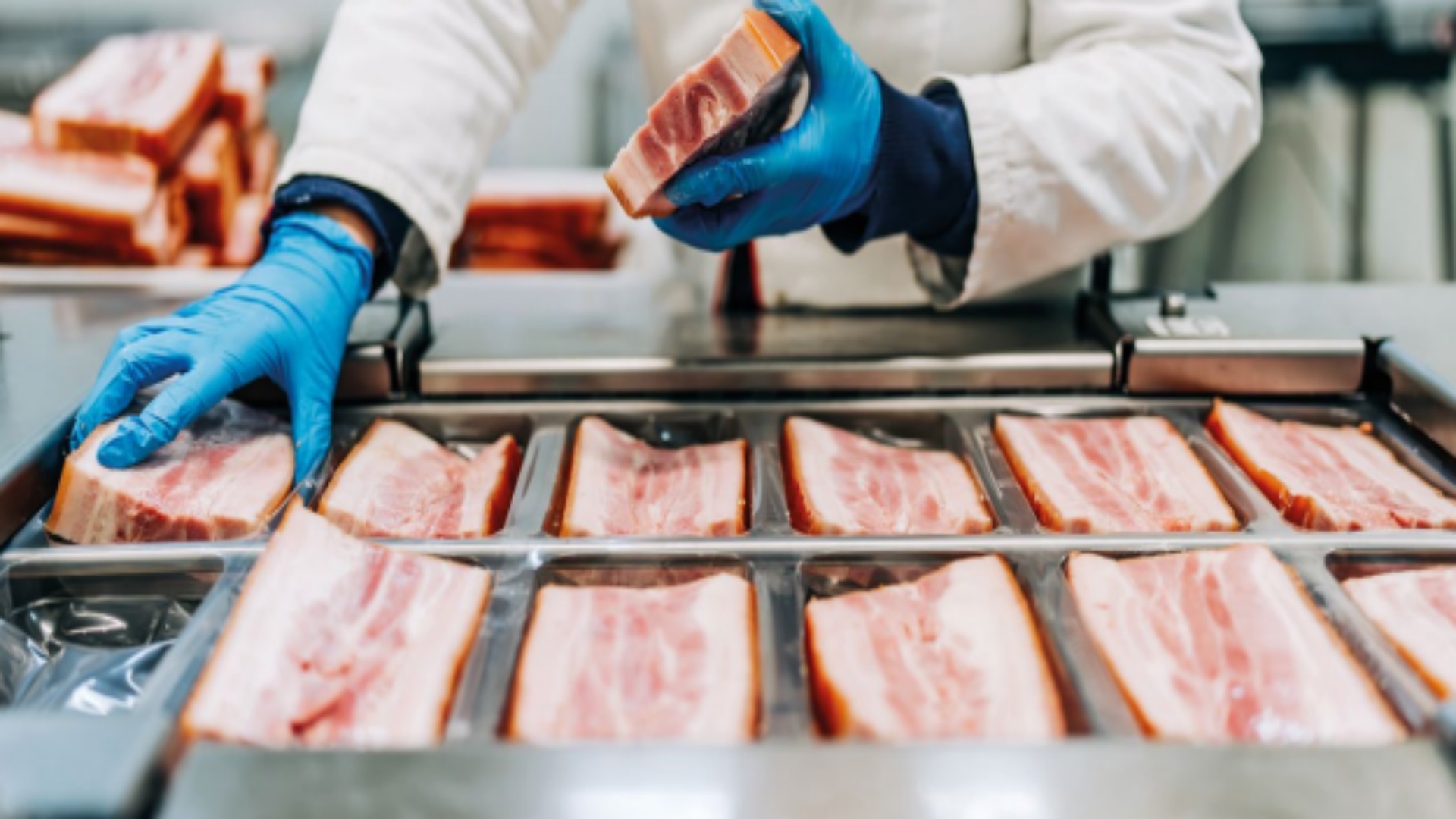
How to Choose a Vacuum Packer for Small & Medium-Sized Food Processing Plants | Ultimate Guide
First, Solve These 4 Puzzles: FAQs for SME Vacuum Packer Buyers
1. Why Do Small & Medium Food Processing Plants Need a Vacuum Packer?
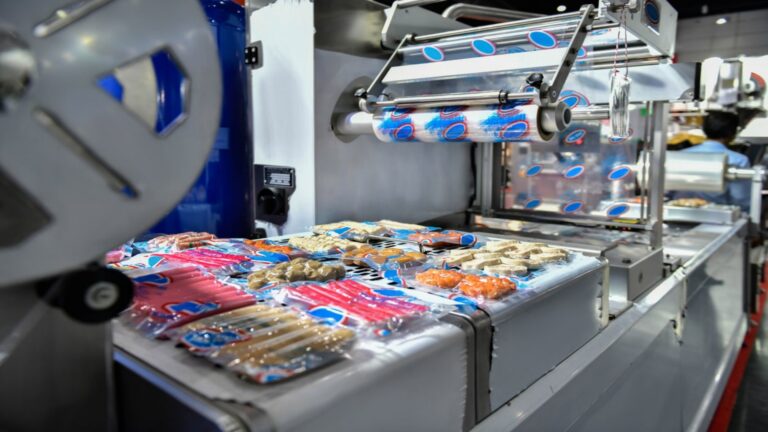
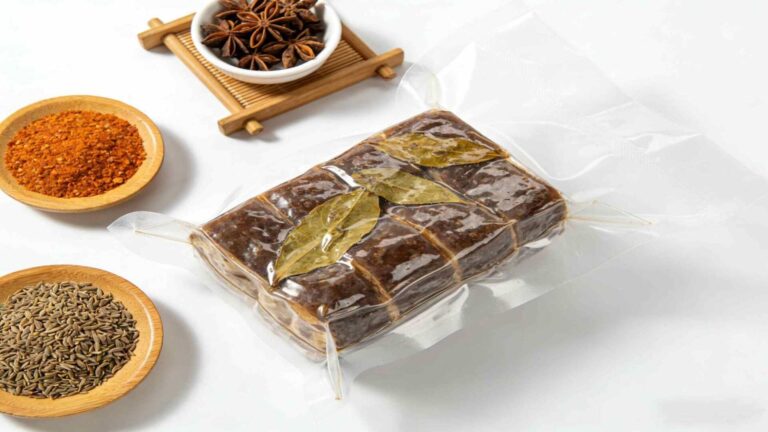
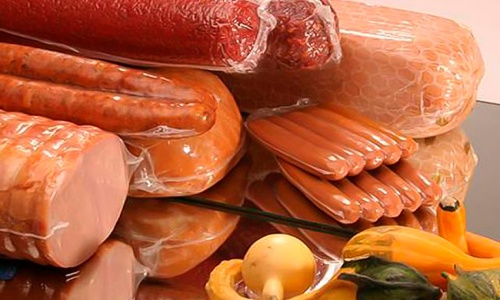
The core value of vacuum packaging lies in creating an oxygen-free environment, which fundamentally inhibits the growth of aerobic bacteria, slows down oxidation reactions, and reduces moisture evaporation. For SMEs with limited production scale and profit margins, this means: – Extending shelf life by 2–5 times: For example, fresh pork can be stored for 3–5 days at 0–4°C under normal packaging, but up to 15–20 days with vacuum packaging; frozen seafood can maintain its taste and nutrition for 6–12 months. – Cutting food waste costs: Reducing spoilage during storage and transportation directly improves profit margins—critical for SMEs operating on tight budgets. – Meeting mandatory food safety standards: Whether entering the U.S. market (complying with FDA regulations) or the European market (meeting EU 10/2011 standards), vacuum packaging is a basic requirement for food safety traceability. – Enhancing product competitiveness: Vacuum-packaged products have a cleaner appearance, better texture retention, and stronger consumer trust, making them easier to market in supermarkets, e-commerce platforms, and specialty stores. Typical application scenarios for SMEs include: processed meats (sausages, ham), aquatic products (frozen shrimp, fish fillets), dairy products (cheese, yogurt), fresh produce (processed fruits and vegetables), baked goods (bread, pastries), and ready-to-eat meals (fast food, meal kits).
2. What Types of Vacuum Packers Are Suitable for SMEs?
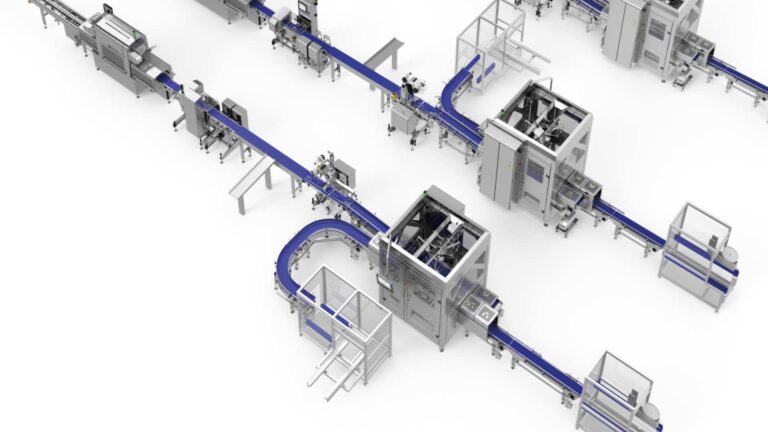
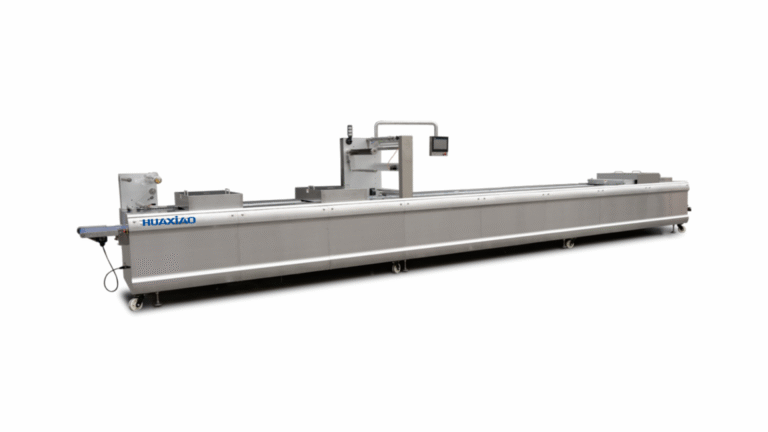
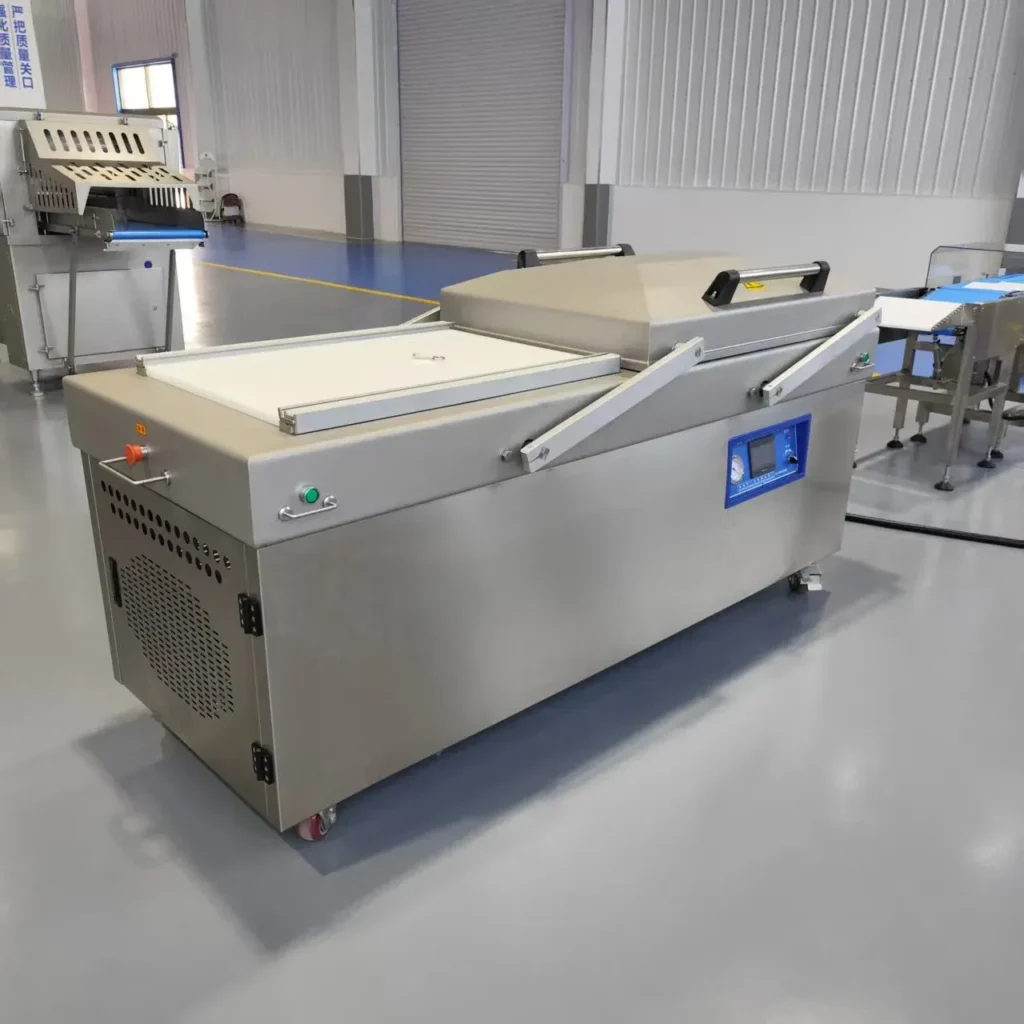
The key to choosing the right type is matching it to your production volume and product characteristics—there’s no “one-size-fits-all” solution for SMEs. Here’s a detailed breakdown: – Tabletop Vacuum Packers: Ideal for micro and small food factories with low production volume (50–200 packs/hour). They are compact (occupying only 0.5–1㎡ of space), affordable (usually $1,000–$3,000), and easy to operate—perfect for small-batch, high-value-added products such as artisanal sausages, homemade jams, specialty cheeses, and small-batch dried fruits. Note: They are not suitable for high-volume or wet products (e.g., fresh seafood with excess water). – Semi-Automatic Chamber Vacuum Packers: The “gold standard” for most SMEs with medium production volume (200–500 packs/hour). They balance efficiency and cost (priced at $3,000–$10,000), with features like automatic lid closing, adjustable vacuum levels, and waterproof designs. They can handle both dry and wet products, making them versatile for meats, seafood, dairy, and processed fruits and vegetables. Most models have a detachable chamber for easy cleaning, meeting hygiene requirements. – Continuous Band Vacuum Packers: Designed for growing SMEs with high production volume (500+ packs/hour) or plans to scale up. They feature a conveyor belt that enables continuous packaging, significantly improving throughput. They are suitable for uniform, high-volume products such as sliced meats, frozen vegetable sticks, snack foods, and ready-to-eat meal kits. However, they have higher upfront costs ($10,000–$30,000) and require more space (2–5㎡), so they’re only recommended if your production volume is stable and high. A word of caution: Avoid industrial-grade fully automatic vacuum packers (priced above $30,000) unless your daily output exceeds 10,000 packs. These machines require large factory space, professional operators, and high maintenance costs—far beyond the needs of most SMEs.
3. What Functional Specifications Should SMEs Prioritize?
For SMEs, focusing on the following 5 core specifications will help you avoid “overpaying for unnecessary features” or “buying a machine that can’t meet your needs”: – Vacuum Level: Measured in millibars (mbar); the lower the value, the higher the vacuum degree. Most food products require a vacuum level of 0.1–1 mbar. For delicate products like fresh strawberries, pastries, or soft cheeses, choose a machine with adjustable vacuum levels (0.1–5 mbar) to prevent product deformation or crushing. For dry products like jerky or nuts, a fixed high vacuum level (0.1–0.5 mbar) is sufficient. – Sealing Performance: The seal is the “lifeline” of vacuum packaging. Look for machines with double-sealing strips (width ≥8mm) to ensure airtightness. Adjustable sealing temperature (100–220°C) and time (0.5–5 seconds) are essential—they allow compatibility with different packaging materials (e.g., PA/PE composite films for frozen products, aluminum foil films for high-temperature sterilized products). Also, check if the sealing bar is removable for easy cleaning and replacement. – Chamber Size: The chamber size determines the maximum product size you can package. For SMEs, common chamber sizes are: small (300x200x120mm) for small-batch snacks, medium (400x300x150mm) for most meats and seafood, and large (500x400x200mm) for bulk products like whole chicken or large fish fillets. Tip: Choose a chamber size 10–20% larger than your largest current product to leave room for future product expansion. – Power & Energy Efficiency: Tabletop models typically use 1–3kW of power, while semi-automatic chamber models use 3–7kW. Opt for machines with CE or Energy Star certification—they can reduce electricity costs by 15–30% compared to non-certified models, which adds up to significant savings over long-term use. – Material Compatibility: Ensure the machine works with standard food-grade vacuum bags (avoid proprietary bags that lock you into expensive suppliers). Common compatible materials include PA/PE composite films, EVOH barrier films, and aluminum foil composites—all of which are widely available and cost-effective for SMEs.
4. Are There Regulatory Requirements to Consider?
Yes—regulatory compliance is non-negotiable for food processing, and your vacuum packer plays a key role in meeting these requirements. Here are the critical points for SMEs: – Material Safety: The machine’s contact parts (chamber, sealing bars, trays) must be made of food-grade 304 or 316 stainless steel. This material is corrosion-resistant, easy to clean, and compliant with FDA 21 CFR Part 177 (U.S.) and Regulation (EC) No 1935/2004 (EU) for food contact materials. Avoid machines with plastic or non-food-grade metal contact parts—they pose contamination risks. – Hygiene Design: The machine should have a smooth surface with no dead corners, detachable parts for cleaning, and waterproof components (IPX4 or higher rating) to prevent water accumulation and bacterial growth. These features are required for HACCP (Hazard Analysis and Critical Control Points) certification, which is increasingly mandatory for food processors. – Traceability Compatibility: Many markets (especially the EU and U.S.) require vacuum-sealed products to have date coding (production date, expiration date) and batch numbers. Choose a vacuum packer that can be integrated with date coding machines or has built-in coding functions to avoid additional equipment costs. – Regional Certification: If exporting your products, ensure the machine meets local safety standards—for example, UL certification for the U.S. market, CE certification for the European market, and CCC certification for the Chinese market.
Step-by-Step Buying Guide: Find the Perfect Vacuum Packer for Your SME
Step 1: Assess Your Production Volume & Product Type
Before browsing products, clearly define your production and product parameters—this will narrow down your options and avoid impulse buys. – Calculate Production Volume: Track your daily or weekly output. For example: If you produce 1,000 packs of sausage per day (8-hour workday), your required hourly output is 125 packs—so a tabletop model (50–200 packs/hour) is sufficient. If you produce 3,000 packs of frozen shrimp per day, your hourly output is 375 packs—opt for a semi-automatic chamber model (200–500 packs/hour). – Analyze Product Characteristics: – Wet vs. Dry: Wet products (fresh seafood, marinated meats) need waterproof machines with anti-suction designs to prevent water from entering the vacuum pump. – Delicate vs. Hard: Delicate products (pastries, fresh fruits) require adjustable vacuum levels; hard products (jerky, nuts) can use fixed high vacuum levels. – Product Size: Measure the length, width, and height of your largest product to determine the required chamber size. Example: A small bakery producing 150 packs of artisanal bread per day (each pack 200x150x50mm) would benefit from a tabletop vacuum packer with a 300x200mm chamber and adjustable vacuum levels.
Step 2: Evaluate Key Features & Specifications
Based on your production and product needs, prioritize these 5 key features to ensure the machine is practical and durable: – Vacuum Pump Quality: The pump is the “heart” of the vacuum packer. For continuous use (8 hours/day), choose an oil-sealed rotary vane pump—they are more durable and have a longer lifespan (5–8 years) than dry pumps (2–3 years). Look for pump capacity (10–20 m³/h) that matches your output: higher capacity means faster vacuuming and higher throughput. – Sealing Reliability: Double-sealing strips are a must for SMEs—they reduce the risk of seal failure and product spoilage. Some high-end models offer “intelligent sealing” that automatically adjusts temperature and time based on bag thickness, which is useful if you use multiple packaging materials. – Hygiene & Durability: 304 stainless steel is the minimum requirement for contact parts; 316 stainless steel is better for acidic products (e.g., pickled vegetables, citrus products) as it’s more corrosion-resistant. Removable sealing bars, chamber trays, and easy-to-clean surfaces will save time on daily maintenance and meet hygiene standards. – User-Friendliness: For SMEs with limited staff training resources, choose machines with intuitive digital panels or touchscreens. Automatic functions like lid opening, bag clamping, and vacuum completion alerts reduce operator error and training time. – Safety Features: Essential safety features include emergency stop buttons (to stop operation immediately in case of problems), overheat protection (prevents machine damage from long-term use), and lid safety locks (prevents the lid from opening during vacuuming). These features protect your staff and equipment.
Step 3: Consider Operational Costs & After-Sales Support
SMEs should focus on “total cost of ownership” (TCO) rather than just the initial purchase price. A cheaper machine may have higher long-term costs due to maintenance and energy use. Here’s what to consider: – Maintenance Costs: Ask suppliers about the cost and availability of key replacement parts (vacuum pump, sealing strips, heating elements). Choose brands with a local service network—on-site maintenance can reduce downtime from days to hours. For example, a $5,000 machine with $200/year maintenance costs is better than a $3,000 machine with $1,000/year maintenance costs. – Energy & Material Costs: Energy-efficient models can save $500–$1,000 in electricity bills per year. Also, choose machines compatible with standard vacuum bags—proprietary bags can cost 20–50% more, adding up to significant costs over time. – After-Sales Service: Look for suppliers that offer: – Free installation and training (critical for staff to operate the machine correctly). – A 1–2 year warranty (covers parts and labor for common faults). – On-site support (response time within 24–48 hours for urgent issues). Avoid suppliers that only offer online support—equipment breakdowns can halt production, and you need timely on-site help.
Step 4: Compare Top Vacuum Packer Brands for SMEs
Based on market feedback and SME suitability, here are 4 trusted brands and their recommended models—covering different price points and production needs: – Henkelman (Netherlands): A premium brand known for reliability. Recommended model: Henkelman Boxer 42 (semi-automatic chamber). Key specs: 420x320mm chamber, 0.1–1 mbar vacuum level, oil-sealed pump (14 m³/h), 304 stainless steel. Price: $6,000–$8,000. Ideal for medium-volume SMEs producing meats, seafood, or dairy—offers excellent build quality and 2-year warranty. – VacMaster (U.S.): Focused on affordable, user-friendly models. Recommended model: VacMaster VP215 (tabletop). Key specs: 300x200mm chamber, 0.5–1 mbar vacuum level, 1.5kW power, easy-to-clean design. Price: $1,500–$2,500. Perfect for small-batch SMEs like artisanal food producers or home-based food factories. – DZ Series (China): Cost-effective options for budget-conscious SMEs. Recommended model: DZ-400/2E (semi-automatic chamber). Key specs: 400x300mm chamber, 0.1–1 mbar vacuum level, oil-sealed pump (12 m³/h), waterproof design. Price: $3,000–$5,000. Suitable for SMEs with medium volume and tight budgets—offers good value for money and compatible with standard parts. – Multivac (Germany): Premium brand for high-volume SMEs. Recommended model: Multivac C500 (continuous band). Key specs: 500mm wide conveyor belt, 500–1,000 packs/hour, 316 stainless steel, intelligent control system. Price: $15,000–$25,000. Ideal for growing SMEs with stable high output (e.g., frozen food processors). Pro Tip: Request a product demo with your own products. Most reputable suppliers offer free demos—this allows you to test if the machine can handle your product’s size, texture, and moisture level, and verify sealing quality and speed.
Step 5: Make the Final Decision & Plan for Scalability
Before making the final purchase, ask yourself these 3 critical questions to avoid regrets: 1. Does the machine meet my current production needs? (e.g., Can it handle my output, product size, and texture?) 2. Can it adapt to future growth? (e.g., If my output doubles in 1–2 years, can the machine still keep up? Or is it easy to upgrade to a higher-capacity model?) 3. Is the supplier reliable? (e.g., Do they have good after-sales service, local support, and positive reviews from other SMEs?) For most SMEs unsure about future growth, the semi-automatic chamber model is the safest choice—it’s flexible enough to handle small to medium volumes and can adapt to different product types. Avoid overinvesting in a continuous band model if your output is still unstable; instead, choose a semi-automatic model that can be paired with additional equipment (e.g., automatic feeding conveyors) as you scale up.
Final Thoughts
Choosing the right vacuum packer for your small or medium-sized food processing plant is a balance of “meeting current needs” and “controlling long-term costs.” It’s not about buying the most expensive machine, but about finding the one that fits your production volume, product characteristics, and budget. By first solving the key puzzles (why you need it, what type to choose, what specs to focus on, and regulatory requirements) and then following the step-by-step guide, you can avoid common pitfalls and select a machine that enhances food safety, reduces waste, and boosts your bottom line.
Remember: For SMEs, every investment counts. Take the time to research, compare, and test different models—don’t rush the decision. Prioritize suppliers with strong after-sales support, as their service will be critical to keeping your production running smoothly.
If you have specific questions (e.g., choosing between two models, adapting a vacuum packer to your unique product, or finding a reliable supplier in your region), feel free to leave a comment below or contact our food packaging experts for personalized advice.