How to Choose a Vacuum Forming Machine: A Guide for Startups and Large – Scale Factories
Introduction: Match Machine to Your Production Reality
Choosing the right vacuum forming machine isn’t just about picking a “good” model—it’s about finding a plastic vacuum thermoforming machine that aligns with your production volume, budget, and long-term growth. A startup testing 500 units/month can’t justify a $50,000 fully automatic line, just as a factory churning out 300,000 parts/month can’t rely on a desktop model. This guide cuts through the noise with data-driven, size-specific strategies to help startups and large factories make confident decisions.
Part 1: Startups & Small Businesses – Lean, Flexible, Low-Risk
Startups thrive on agility and cost control. Your vacuum forming machine should support small batches, custom orders, and minimal overhead—without sacrificing quality.
Core Selection Metrics (Must-Hit Targets)
|
Metric
|
Target Range
|
Rationale
|
|
Monthly Production
|
100–10,000 units
|
Avoid overcapacity; match variable demand
|
|
Budget
|
15,000 |
Preserve capital for marketing/product dev
|
|
Footprint
|
≤1.2m²
|
Fit small workshops/co-working spaces
|
|
Mold Change Time
|
≤20 minutes
|
Adapt to multiple custom designs
|
Top Machine Picks for Startups
- Small Desktop Vacuum Forming Machine
- Ideal For: Prototypes, promotional products (e.g., branded display stands), small-batch blister packs.
- Key Specs: Sheet thickness (0.3–1.5mm), manual/semi-automatic operation, compatible with HIPS/PETG (low-cost materials).
- Pro Move: Choose models with detachable heating elements—they’re easier to store and maintain.
- Keyword Fit: “small desktop vacuum forming machine for custom products” “affordable vacuum forming machine for startups”
- Entry-Level Semi-Automatic Vacuum Forming Machine
- Ideal For: Growing startups (5,000–10,000 units/month) producing food packaging or medical samples.
- Key Specs: Automatic feeding/cooling, sheet thickness (0.5–3mm), basic PLC controls (no technical expertise needed).
- Cost-Benefit: Cuts labor time by 40% vs. desktop models while staying under $15k.
- Keyword Fit: “semi-automatic plastic vacuum forming machine” “entry-level vacuum thermoforming machine”
Startup Red Flags to Avoid
- Steer clear of fully automatic machines (high upfront cost + idle capacity).
- Reject models without clear technical support (you won’t have an in-house team to troubleshoot).
- Skip machines limited to one material—flexibility is critical for custom orders.
Part 2: Large-Scale Factories – Speed, Consistency, Scalability
For factories, downtime equals lost revenue. Your vacuum forming machine must deliver high volume, tight quality control, and seamless integration with existing production lines.
Core Selection Metrics (Non-Negotiables)
|
Metric
|
Target Range
|
Rationale
|
|
Monthly Production
|
20,000–500,000+ units
|
Meet mass-market demand
|
|
Cycle Time
|
≤25 seconds/part
|
Maximize throughput
|
|
Thickness Tolerance
|
±0.1mm
|
Ensure consistent product quality
|
|
Compliance
|
CE/ISO/FDA/GMP
|
Meet global industry standards
|
Top Machine Picks for Large Factories
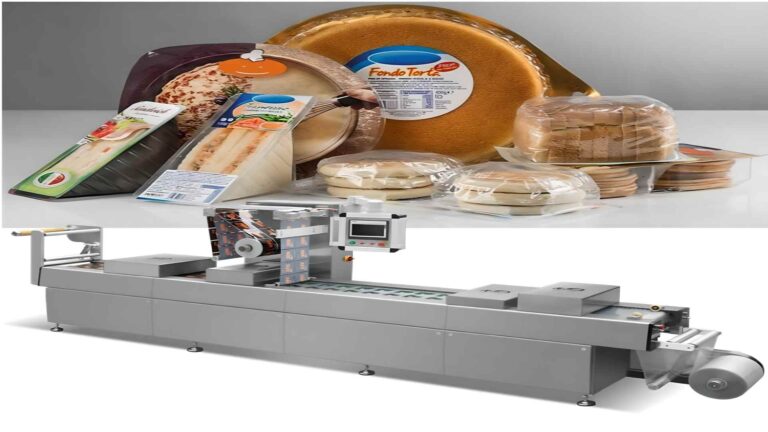
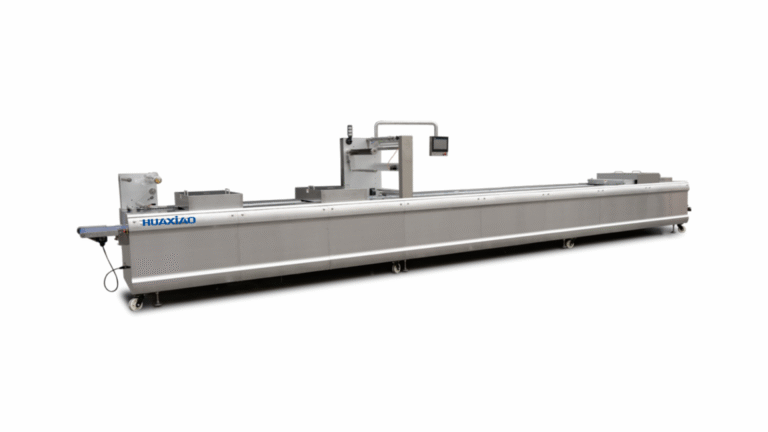
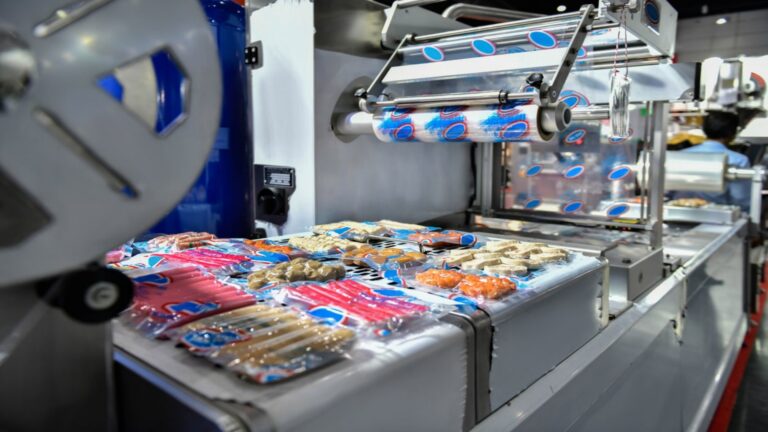
- Fully Automatic Vacuum Forming Machine
- Ideal For: Mass production of food trays, medical containers, or electronic packaging.
- Key Specs: Automatic feeding/trimming/cooling, sheet thickness (0.5–3mm), speed (20–50 parts/min), PLC with recipe storage (for multiple SKUs).
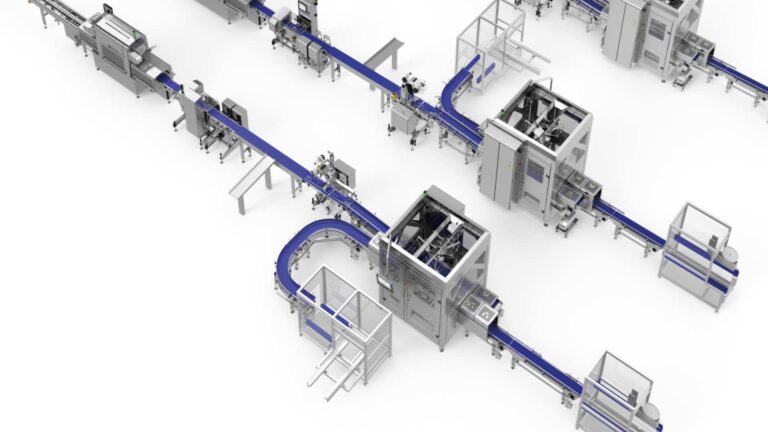
- Must-Have Feature: Integration with robotic stacking systems to reduce labor costs.
- Keyword Fit: “fully automatic vacuum forming machine for food trays” “CE certified vacuum forming machine 0.5-3mm sheet”
- Rotary Vacuum Forming Machine
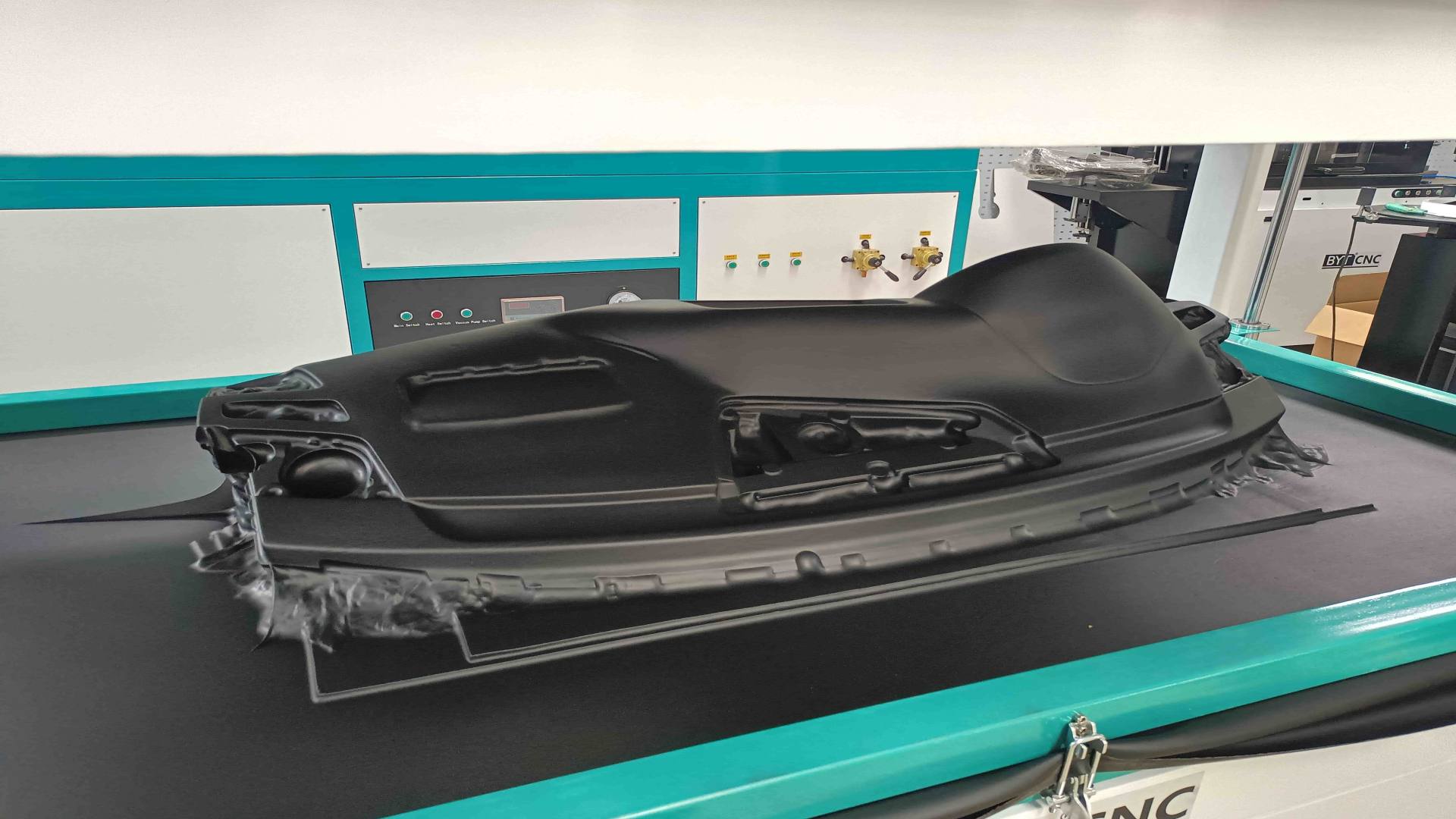
- Ideal For: Continuous production of automotive components, industrial casings, or large packaging.
- Key Specs: Multi-station design (heating/forming/cooling/trimming), sheet thickness (1–10mm), heavy-duty vacuum pump (≥7.5kW), stainless steel frame.
- Efficiency Boost: 30–50% higher output than standard automatic models (no downtime between cycles).
- Keyword Fit: “rotary vacuum forming machine for automotive parts” “heavy-duty plastic vacuum thermoforming machine”
Factory Must-Ask Questions
- Can it integrate with our existing conveyor belts or quality inspection systems?
- What’s the uptime rate? (Aim for ≥98%—even 1% downtime costs $10k+/month for high-volume lines.)
- Does the manufacturer offer on-site training and 24/7 technical support?
Part 3: Universal Tips for Both Sizes – Avoid Costly Mistakes
- Test Before You Buy: Request a sample run with your target material (e.g., PP for food trays, ABS for automotive parts) to verify quality.
- Calculate Total Ownership Cost (TOC): Don’t just look at upfront price—factor in energy consumption, mold costs, and maintenance (durable ceramic heating elements save $500+/year in replacements).
- Prioritize Material Compatibility: Ensure the machine handles your core materials (e.g., FDA-approved plastics for food, flame-retardant materials for electronics).
- Plan for Growth: Startups should choose semi-automatic models upgradable to fully automatic; factories need machines with modular designs (add extra stations as demand grows).
Conclusion: Your Machine = Your Production Backbone
For startups, the best vacuum forming machine is the one that keeps costs low and flexibility high—opt for a small desktop or entry-level semi-automatic model. For large factories, speed, consistency, and compliance are non-negotiable—invest in a fully automatic or rotary vacuum forming machine.
No matter your size, the goal is to align your machine with your current needs while leaving room to scale. Ready to find your perfect fit? Contact our team for a free TOC calculation and custom machine recommendation—we specialize in CE-certified, high-performance plastic vacuum thermoforming machines tailored to startups and factories alike.